1982
A joke marker
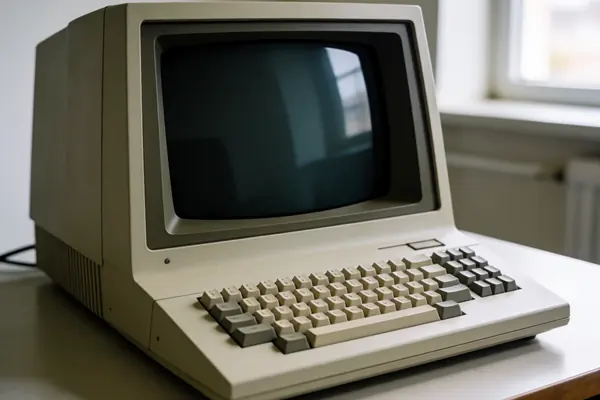
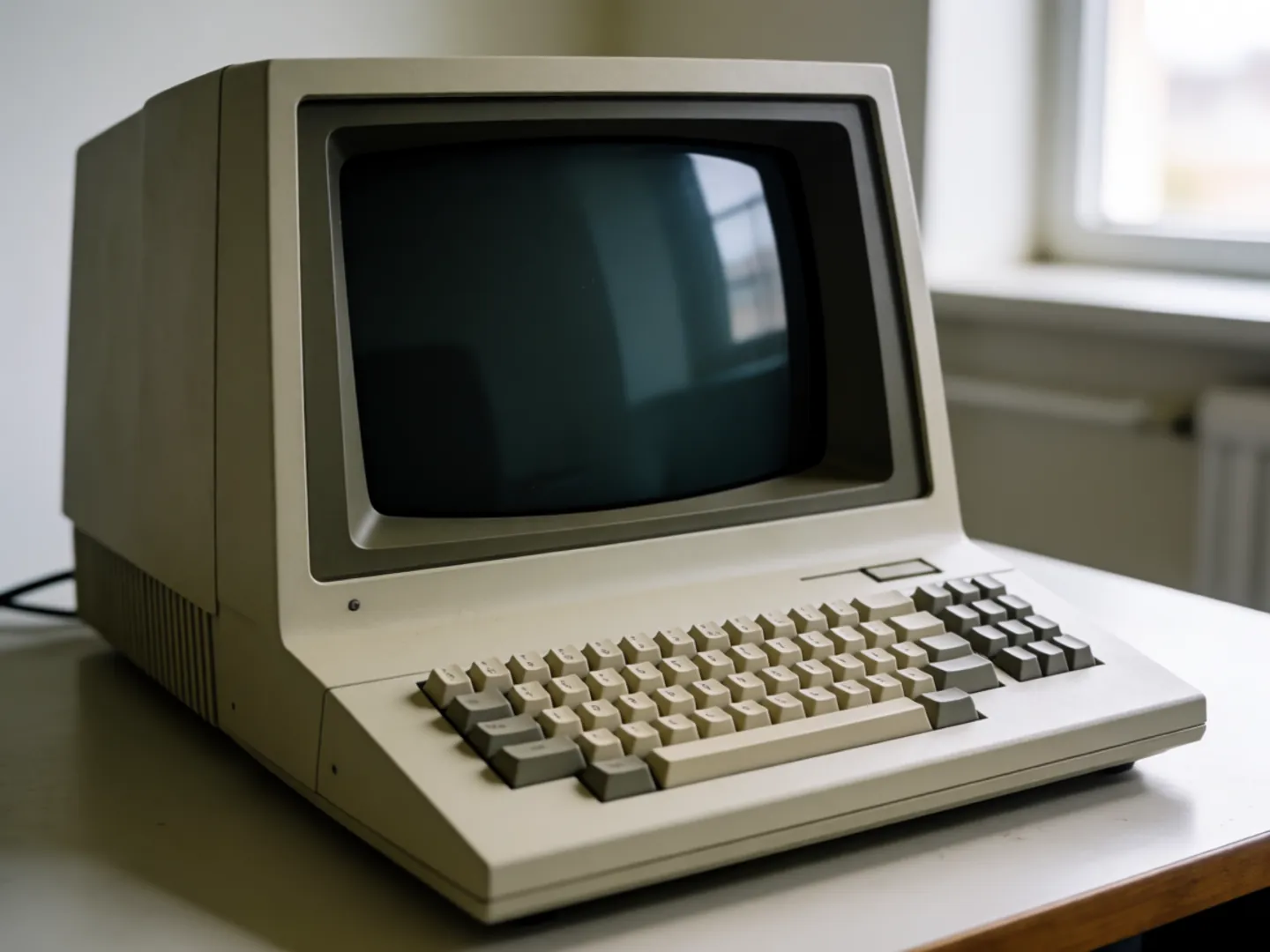
On a university message board, readers kept missing sarcasm. The proposal was simple: mark jokes with :-), readable on the plain text terminals of the day.
See the numbers doodlemoji
:-)since 1982
In person, a smile or a raised eyebrow tells people you are joking. In a message, those cues vanish. That gap gave us the sideways smiley in 1982, and later the emoji. Both help, but both can still be misread.
Updated
THE SHORT ANSWER
The smiley was invented to stop jokes being taken seriously.
Emoji carry more detail, and more room for disagreement.
1982
On a university message board, readers kept missing sarcasm. The proposal was simple: mark jokes with :-), readable on the plain text terminals of the day.
See the numbersEMOJI
The Unicode Consortium encodes emoji but does not design the images. Each platform draws its own, and colour or black-and-white display can vary too.
Spot the riskIN PERSON
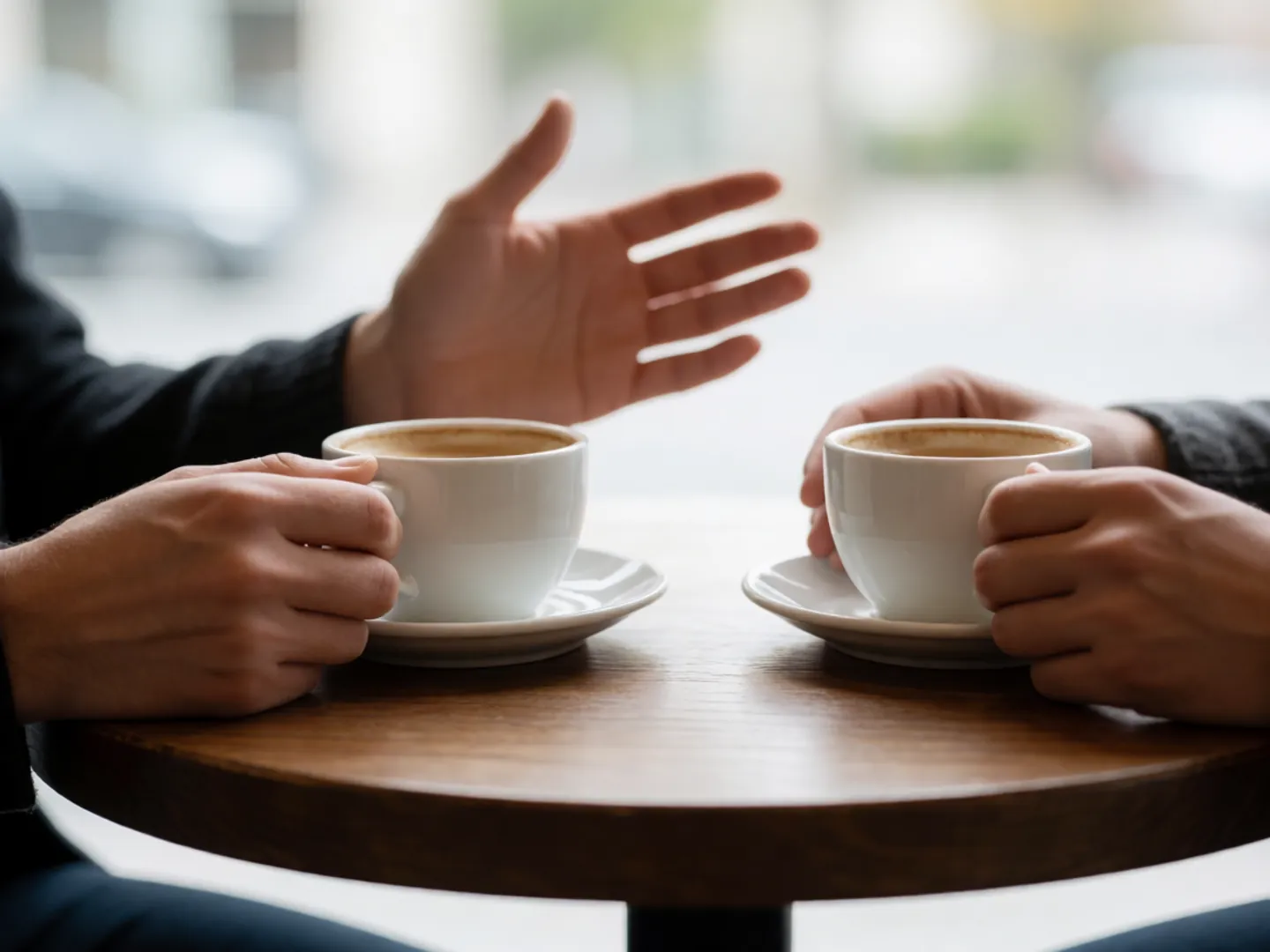
Online, we lack the body language and tone of voice that tell people we are joking when we talk face to face or on the phone.
Write clearlyHOW LIKELY IS A MISREAD?
Choose a way of adding tone to a message to see what the research and standards say. The bar shows how much room there is for misreading.
Based on Miller et al. (2016), the Unicode emoji FAQ and the account of the 1982 bulletin board thread.
TWO NUMBERS WORTH KNOWING
One date for the first smiley,
one figure on how often emoji split opinion.
1982
Year the :-) joke marker was proposed
The post, dated 19 September 1982, was lost for years and recovered from old backup tapes in 2002 in time for its 20th anniversary.
FIRST SMILEY · CARNEGIE MELLON
25%
Disagreement on an emoji's sentiment, same image
In an online survey analysed for 304 participants, people rated popular emoji on a scale from -5 to 5. Across platforms, disagreement grew.
MISREADING · MILLER ET AL. 2016
The same 1982 post suggested :-( for messages meant seriously, but it quickly became a marker for displeasure, frustration or anger.
FOUR HABITS FOR CLEARER MESSAGES
Small habits that follow from what the research and the standards say.
Emoji are encoded by how they look, not what they mean, and meanings change with culture and context.
Your friend may see a different drawing of the same emoji, or a black-and-white version.
The original smiley existed because sarcasm in text is easy to miss. A marker helps, plain words help more.
Even people looking at the same picture disagree about its mood a quarter of the time, so check rather than assume.
WHY EMOJI LOOK DIFFERENT
The Unicode Consortium publishes a black-and-white representative glyph for each emoji but has no control over the colour images platforms use. Each vendor draws its own, which is why a face can look cheerful on one phone and awkward on another.
Some characters can be shown in colour emoji style or plain text style. A special variation selector asks for one or the other, U+FE0F for emoji style and U+FE0E for text style, but platforms can still differ.
Questions
It was proposed on a Carnegie Mellon computer science bulletin board on 19 September 1982 as a marker for jokes. The proposer, Scott Fahlman, says he is at least one of its inventors.
The Unicode Consortium encodes emoji and shows a representative glyph, but it does not design or control the images. Each platform vendor draws its own.
Not always. In a 2016 study, people rating the same emoji image disagreed about whether it was positive, neutral or negative 25% of the time, and more across platforms.
No. Unicode says emoji are encoded mainly by appearance, and their meaning can vary with language, culture and context, and change over time.
Some characters have both a colour emoji presentation and a black-and-white text presentation. Variation selectors can request one, but display can vary from platform to platform.
ABOUT THIS NAME
doodlemoji.com is part of the DoodleSale portfolio. It isn't in an auction right now, but you can ask about leasing it.